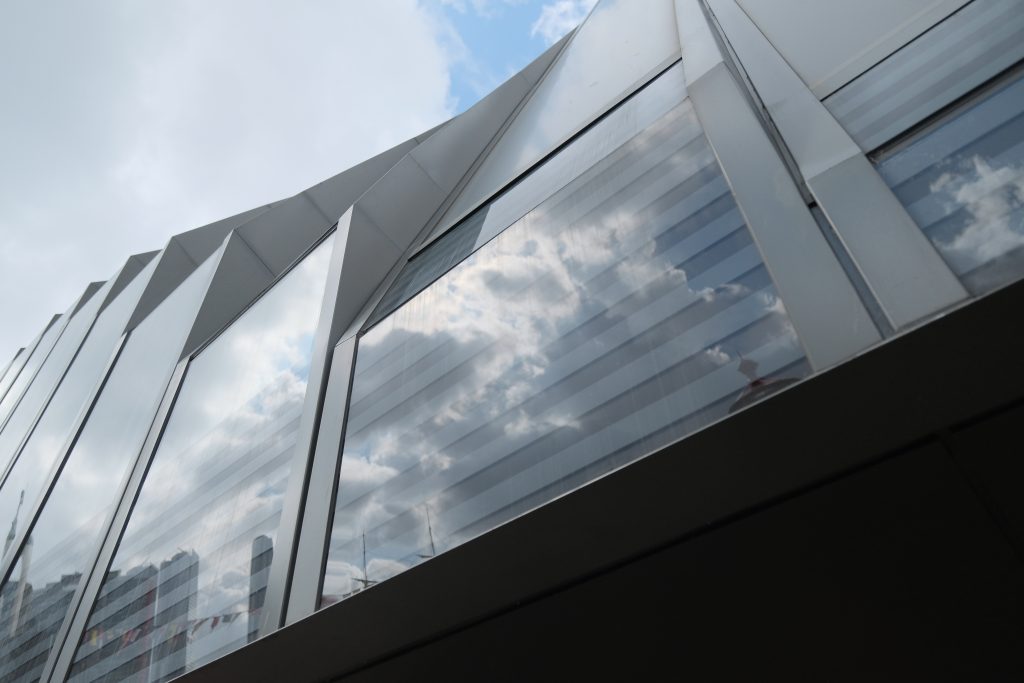
This article follows the winners of the BlueScope Steel Architectural Awards ASEAN 2024 on their inspiring journey through Australia. From iconic architecture to immersive cultural visits, the trip highlighted innovative uses of steel in design and fostered meaningful exchanges between ASEAN architects and Australia’s leading design voices.
With Association of Siamese Architects under Royal Patronage (ASA), Ikatan Arsitek Indonesia (IAI), the University of Architecture Ho Chi Minh City (UAH), Malaysia’s ACG Media Group, and AustCham Singapore as partners of the BlueScope Steel Architectural Awards ASEAN 2024, the winners’ journey across Australia offered participants a rich and diverse experience of contemporary architectural landmarks—from the waterfront elegance of Sofitel Sydney Darling Harbour and the vibrant urban spaces of Darling Quarter, to the structural ingenuity of Kangaroo Point Bridge, the thoughtfully integrated UQ St Lucia Campus Walkway, and the sustainable design of the Brisbane Convention Centre.
These striking structures stood out not only for their aesthetic and technical innovation—through bold material use and advanced fabrication—but also for the ways they respond to their cultural and environmental contexts. Together, they reflect core themes that resonate with the spirit of the BlueScope ASEAN Steel Architectural Awards.
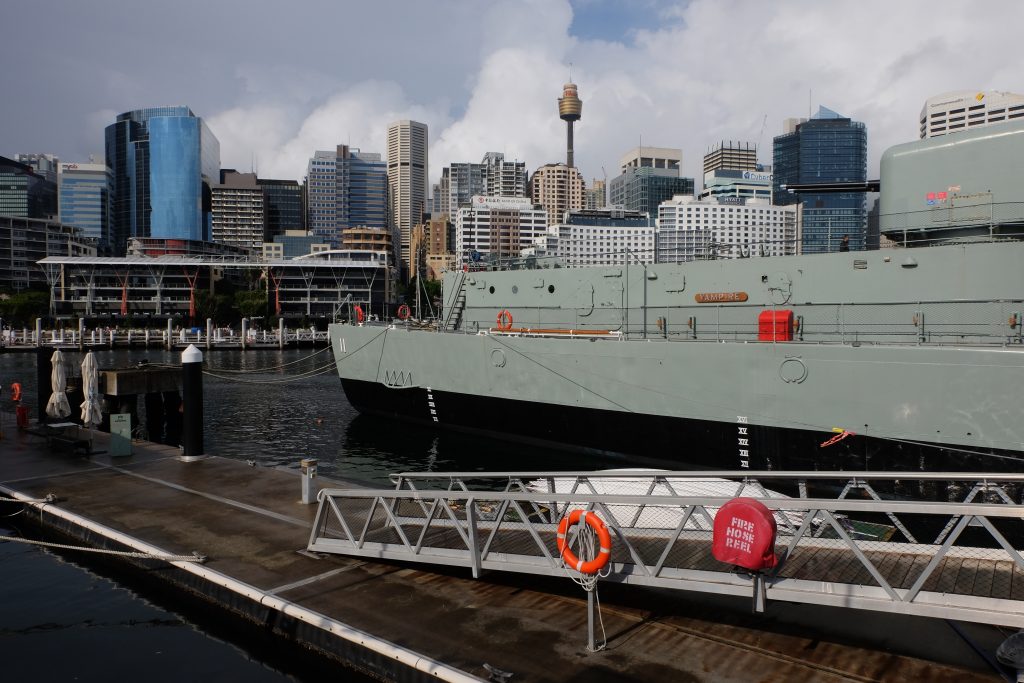
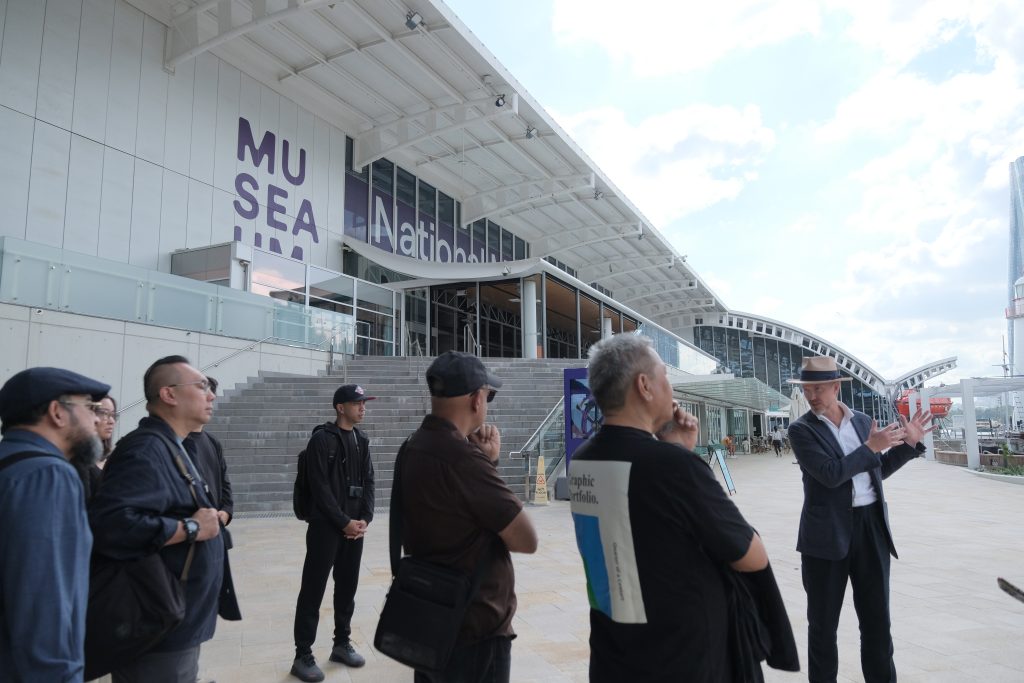 Among the many highlights of the trip, the Australian National Maritime Museum in Sydney stands out as a key destination. As part of the week-long program, participants explored this prominent cultural institution, which opened in 1991 to celebrate Australia’s rich maritime heritage. Located at the edge of Darling Harbour, the Australian National Maritime Museum occupies a significant footprint in one of Sydney’s most active public precincts. The museum spans over 20,000 square meters, including exhibition halls, docks, and outdoor event areas that extend toward the water. This positioning not only maximizes its visual presence within the harbor’s skyline but also makes it a vital connector between cultural, recreational, and commercial zones of the city.
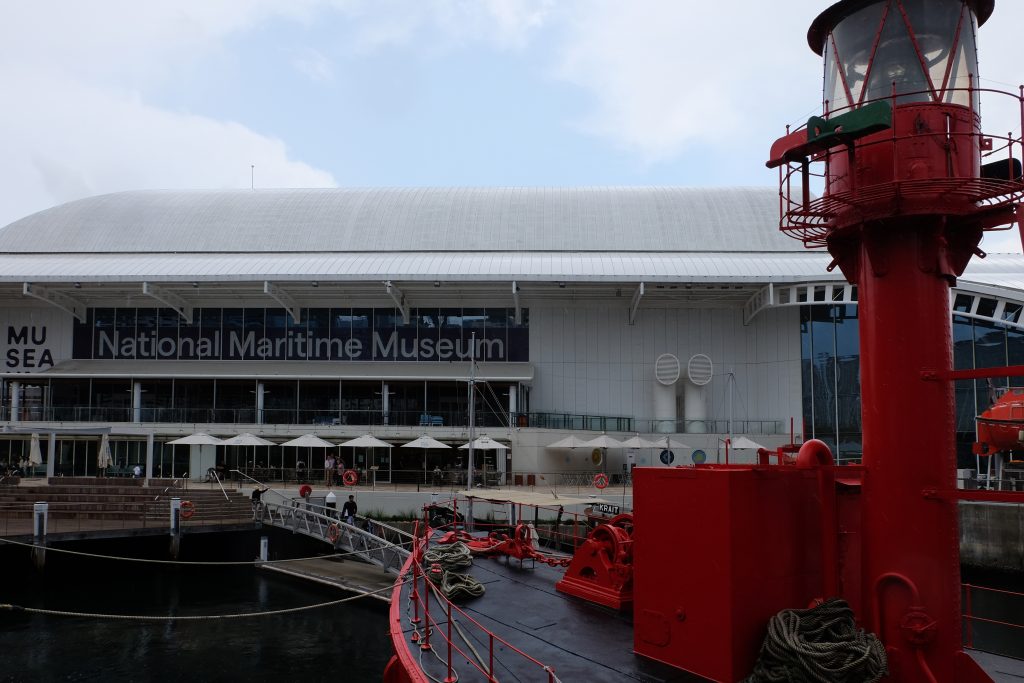 As a civic space, the museum draws in a wide spectrum of visitors—not only architecture and maritime enthusiasts, but also families, students, and tourists exploring Sydney’s waterfront. It functions as both a museum and a community venue, hosting public programs, school visits, and cultural festivals that animate the site year-round. The museum’s open plaza and surrounding boardwalks encourage pedestrian flow and informal gathering, reinforcing its role as a social and educational anchor within the broader urban environment.
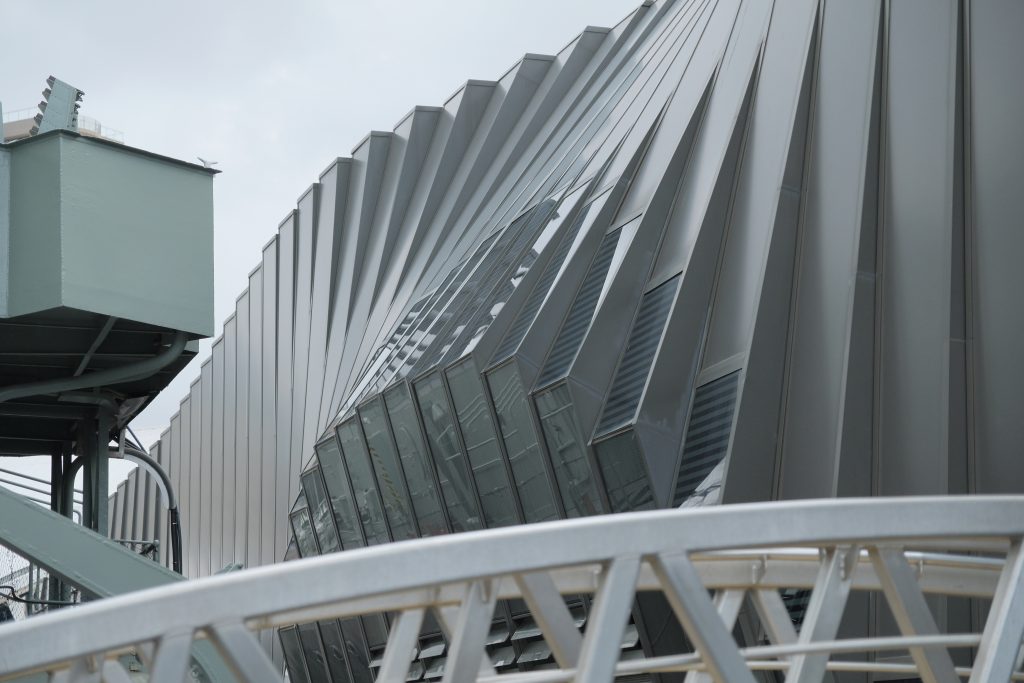 What makes the ANMM particularly relevant in today’s architectural discourse is how it integrates storytelling into the public realm. Beyond the static role of housing exhibitions, it activates its surroundings by offering dynamic experiences both indoors and outdoors. With its warships moored at the wharf, interactive pavilions, and accessible rooftop views, the museum invites layered engagement with history, design, and place. It stands as a reminder that public architecture can be both monumental and deeply human—framing space for exploration, memory, and shared identity.
“This study trip has been an inspiring experience in many ways—ranging from the design concepts used by the architects to the complex and captivating structural work. All of these elements were seamlessly integrated with materials like metal sheeting, which makes me want to adapt these ideas into future projects that I may have the opportunity to design”, Naksit Wisetmora from the Thai Naval Public Works Department, shared his insights.
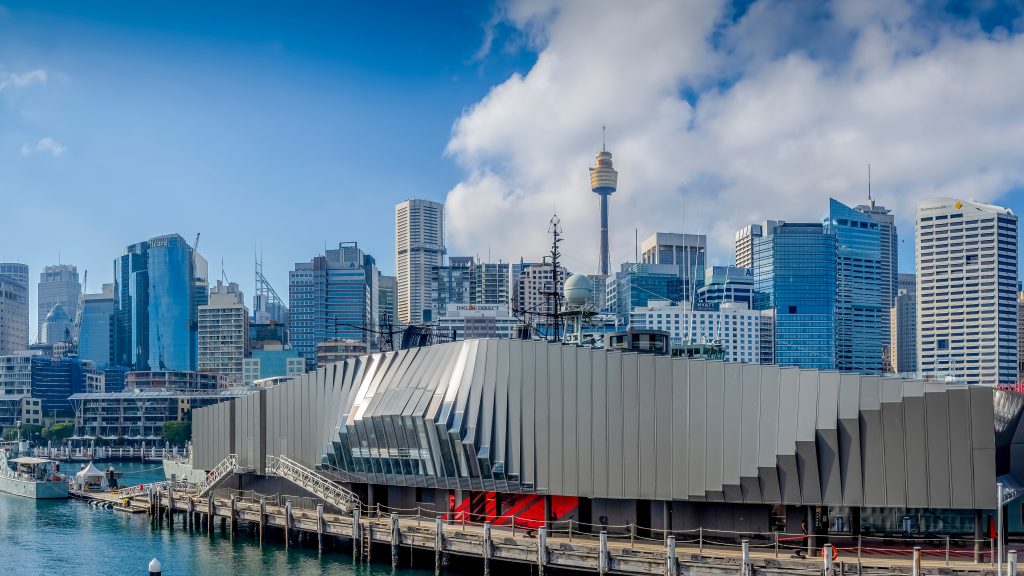
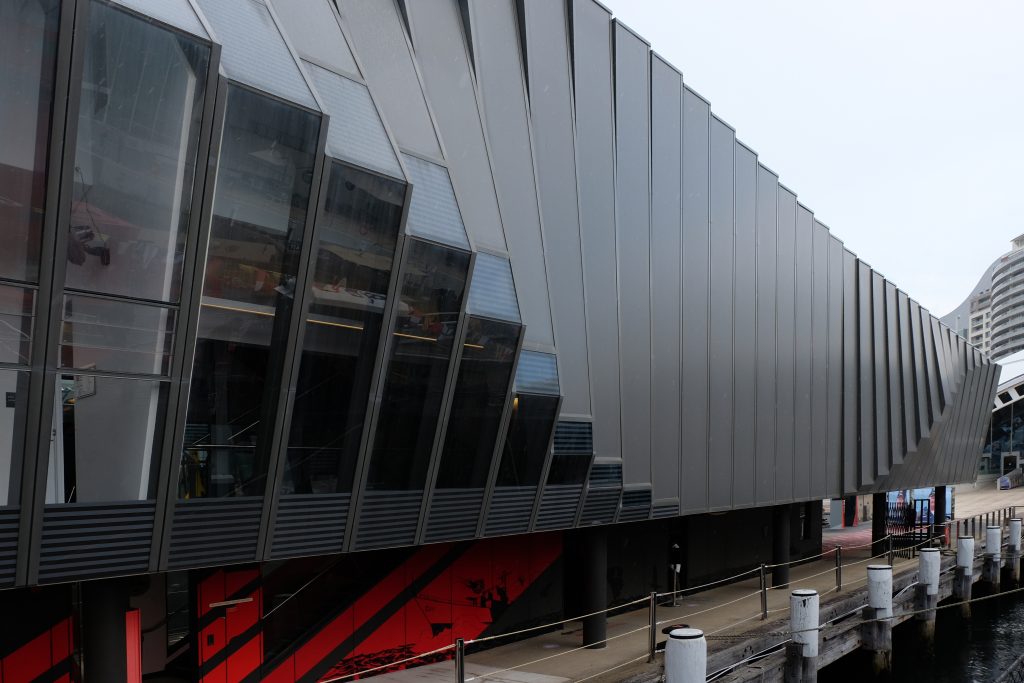 A highlight of the museum is the Warships Pavilion, designed by fjcstudio. Created to commemorate a century of service by the Royal Australian Navy, the pavilion acts as a transition point between land and sea, connecting visitors with the museum’s historic fleet. Its design is inspired by naval architecture and the precision of boat building, resulting in a sculptural form that mirrors the curves and complexity of a ship’s hull. The dynamic, undulating façade creates a sense of movement and fluidity, drawing visitors into an immersive space that encourages exploration and reflection on maritime history.
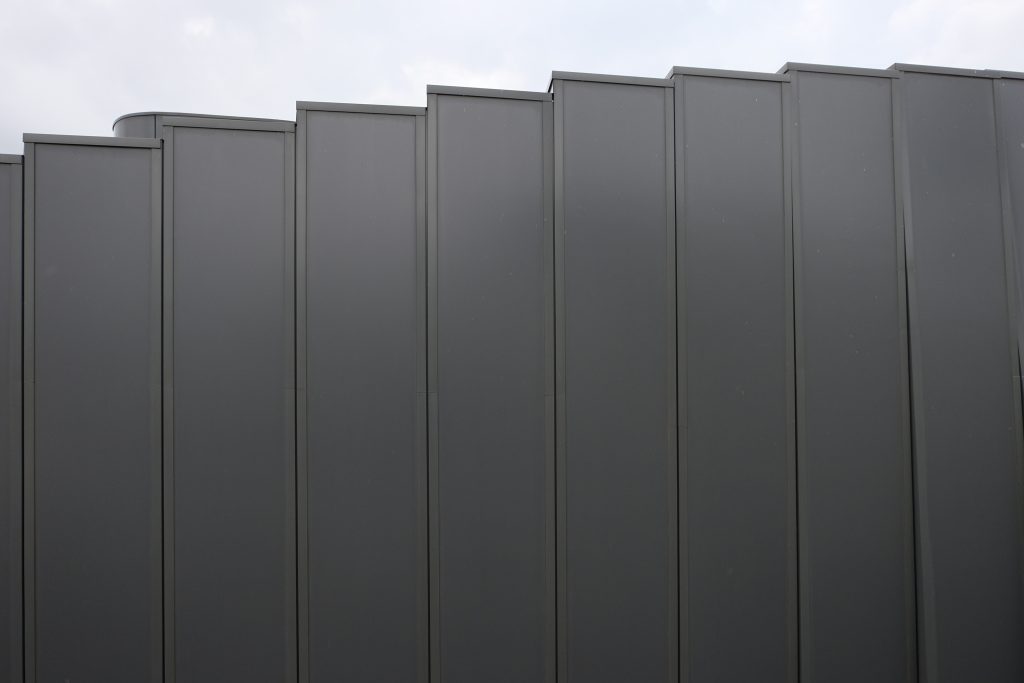 Central to the architectural expression of the Warships Pavilion is its innovative use of COLORBOND® Ultra steel – Woodland Grey® product from BlueScope. The exterior cladding features a twisting carapace of insulated steel panels, arranged in complex geometries that would be difficult to achieve with conventional materials. These painted steel components were prefabricated off-site with high precision, allowing for greater quality control, reduced construction time, and minimized on-site waste. Additionally, the use of COLORBOND® steel contributes to the pavilion’s long-term sustainability, offering high durability, corrosion resistance, and thermal performance.
The Warships Pavilion sits within a harsh marine environment—constantly exposed to salt-laden air, humidity, and coastal weather conditions. To ensure long-term durability and aesthetic resilience, the design team selected COLORBOND® Ultra steel, specifically engineered for high-corrosion environments. This advanced coated steel not only resists rust and degradation but also maintains its sleek appearance over time, making it an ideal choice for buildings situated in demanding coastal locations.
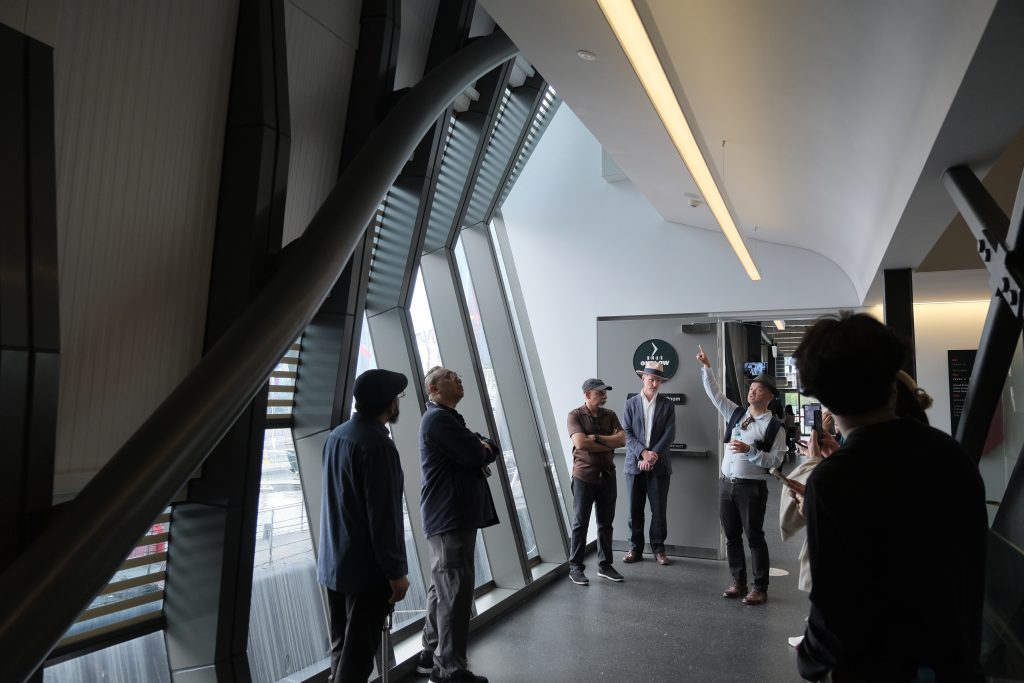 Sustainability played a central role in the design of the building. From the selection of materials to the building’s performance strategies, every aspect was thoughtfully considered to minimize environmental impact. The use of long-lasting, low-maintenance materials such as high-performance steel reduces the need for frequent repairs and replacements. In addition, the pavilion incorporates natural ventilation systems and passive design strategies to reduce reliance on mechanical cooling. Operable louvres and strategic openings allow for natural airflow, improving thermal comfort and energy efficiency while supporting the museum’s broader commitment to environmental responsibility.
Inside the Warships Pavilion, visitors are immersed in a multi-sensory experience that bridges design with storytelling. The interior houses interpretive exhibits, multimedia installations, and hands-on displays that delve into Australia’s naval history and the lives of those who served. Guests can explore interactive timelines, personal stories, and detailed ship models that bring historical narratives to life. A highlight is the direct access to decommissioned naval vessels docked just outside the pavilion, allowing for a seamless transition between exhibition and real-life maritime artifacts. This experiential approach transforms the pavilion into more than just a gallery—it becomes a living extension of the museum’s mission to educate, engage, and inspire.
 Md Razin Bin Mahmood, Managing Director of Razin Architects, shared his thoughts, “to me, steel has always been a superior material. Nowadays, I see many applications of coated steel—not only as roofing on buildings but also as cladding, and even in interiors as ceiling and wall finishes. After seeing what has been done in Australia, I believe this material holds great potential.”
In many ways, the Australian National Maritime Museum encapsulates the same ethos that BlueScope Steel Architectural Awards ASEAN pursues: a celebration of architecture that is technically bold, materially innovative, and culturally resonant. The project demonstrates how premium steel solutions can go beyond structural function to become a driver of both design excellence and environmental responsibility. Its success reinforces the confidence that architects and developers can have in using high-performance materials that meet the demands of aesthetics, durability, and sustainability. As the ASEAN delegates return home, they carry not only vivid memories of Australia’s architectural landmarks, but also valuable insights into how thoughtful material choices and purposeful design can elevate the built environment. This journey underscores the power of design to foster connection—across borders, disciplines, and generations—and reaffirms the value of ongoing dialogue in shaping a more inspired and sustainable future.