What does it truly mean for a building to last? Not simply to remain standing, but to hold its structural integrity, its visual coherence, and its design intent across decades of environmental pressure. For architects, specifiers, and material engineers, that question sits at the heart of every major project decision, and steel, when chosen and applied with precision, is one of the most compelling answers the built environment has ever produced.
As explored in a recent ArchDaily feature, the case for steel goes well beyond structural strength. It extends into how the material ages, how it responds to climate, and how it preserves the qualities that made a design worth building in the first place. Durability, the piece argues, is not a technical footnote. It is an intrinsic dimension of architectural quality itself.
More Than a Structural Material
Steel has shaped the built environment since its industrial-scale production began in the 19th century. Refined through controlled metallurgical processes, it offers a combination of mechanical strength, relative lightness, and constructive precision that few materials can match. Skyscrapers, bridges, facades, roofing systems, and industrialised building components: steel has made possible some of the defining achievements of modern architecture and engineering.
But a building's quality cannot be measured at the moment of completion. Photographs capture pristine facades and newly installed surfaces. The decades that follow tell a more honest story. Solar radiation, driving rain, humidity, coastal salts, air pollution, and constant thermal cycling are the forces that test whether material choices were truly sound. A building needs to maintain not just stability and safety, but the spatial and material qualities that guided its design from the outset.
Understanding the Different Steel Systems
Steel in architecture covers a range of distinct systems, each engineered for specific performance demands.
Structural steel is composed of iron alongside carefully controlled proportions of carbon and alloying elements, tuned to achieve the right balance of strength, ductility, toughness, and weldability. This allows it to carry significant loads while maintaining the dimensional precision required for beams, columns, trusses, and wide-span roof structures. Its architectural value lies in that balance between strength and deformation capacity, enabling structures that are slender, safe, and scalable across project types and sizes.
Light Gauge Steel systems use cold-formed profiles to create lightweight, fast-to-assemble frameworks. Designed for efficiency, they are well-suited to industrialised construction where speed and weight reduction are priorities.
For exposed roofing and wall cladding, however, the defining performance factor shifts from structural capacity to coating quality. These are the surfaces that face the environment directly, and how they are protected determines how the building looks, performs, and ages over time.
The Engineering Behind Corrosion Resistance
Traditional zinc-based galvanised steel established the baseline for corrosion protection in construction. But the demands of contemporary architecture, particularly in climates characterised by heat, humidity, salinity, and pollution, have driven the development of significantly more advanced solutions.
Aluminium-zinc alloy coatings, including those produced through the Galvalume process, expanded the performance envelope for coated steel in roofing and facade applications. More recently, aluminium-zinc-magnesium alloys have raised the bar further, delivering enhanced corrosion resistance in the most aggressive environmental conditions.
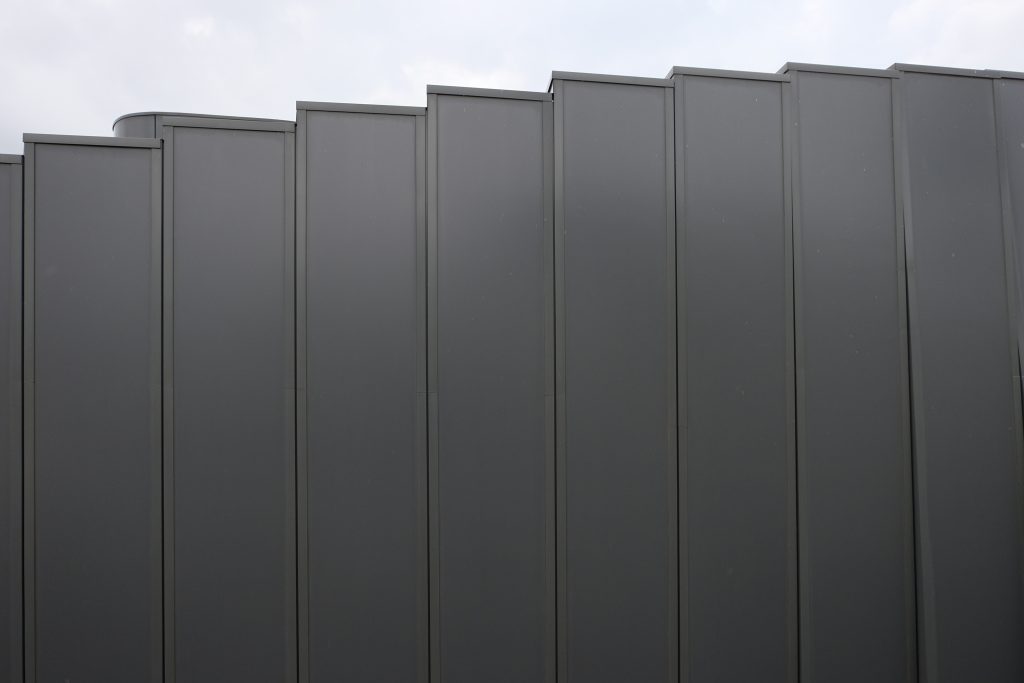
Pre-painted steel systems build on this metallic foundation by integrating a paint finish layer, combining corrosion protection, colour, surface texture, and long-term maintenance performance into a single engineered product. COLORBOND® steel, developed by BlueScope, is a leading example of this approach. Rather than treating substrate, coating, and finish as separate considerations, COLORBOND® steel is designed as a complete envelope system, where every layer from the steel base to the final paint surface is engineered to work together across the full lifecycle of the building.
This integrated approach represents a meaningful shift in how material specification should be understood. The right question is no longer simply which product to use, but how the entire envelope system will perform over time, in a specific climate, under specific environmental pressures.
Environment First: Why Context Drives Specification
The same steel system can perform very differently depending on where it is installed. Urban environments carry atmospheric pollutants that create chemical stresses capable of accelerating surface degradation. Tropical climates combine high heat with persistent humidity, conditions that are inherently conducive to corrosion. Coastal zones subject metal surfaces to wind-driven salt particles, one of the most aggressive corrosion triggers in the built environment. Industrial settings layer additional chemical exposures on top of these baseline stresses.
 Responsible material specification therefore begins with the site, not the product catalogue. The degrading agents present, whether salinity, humidity, pollution, or temperature variation, must be assessed before any system is selected. An inadequately protected steel system in an aggressive environment does not only affect appearance. It accelerates deterioration, drives up lifecycle maintenance costs, and ultimately undermines the design quality the project set out to achieve.
Architecture Built to Endure
The real-world implications of these decisions are most visible in projects designed for genuinely demanding conditions.
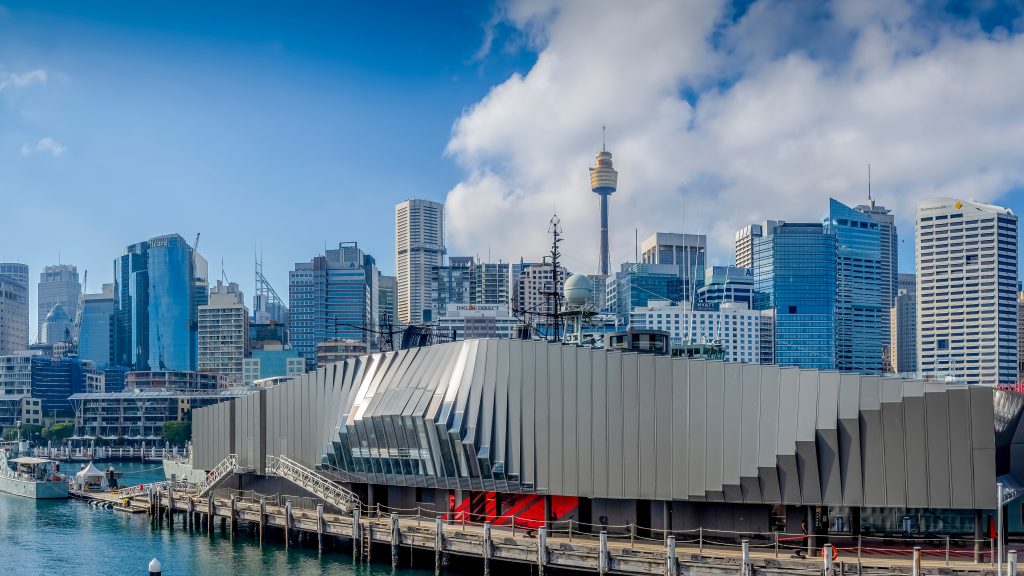
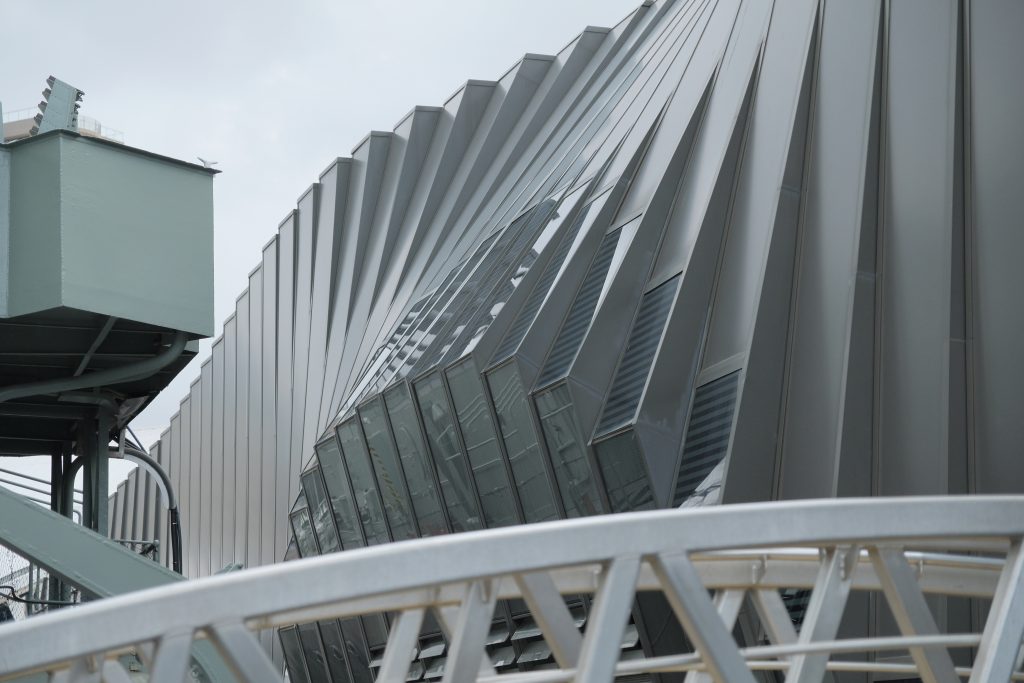
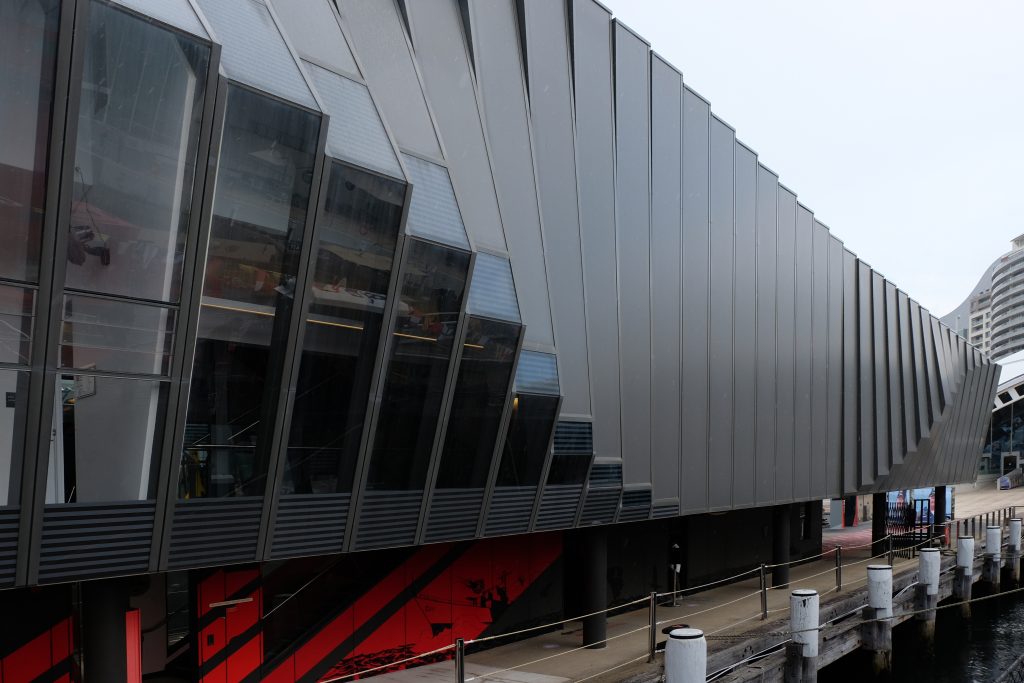
The Waterfront Pavilion at the Australian National Maritime Museum in Sydney, designed by fjcstudio, is one such example. Permanently positioned at the water's edge, the building faces a continuous marine environment, with salt, wind, humidity, and solar radiation bearing down on its surfaces year after year. Its structural steel frame and metal envelope must simultaneously express the architectural character of the project and withstand decades of exposure without degrading. Here, the protection system is not a background specification decision. It is fundamental to the building's capacity to remain what the architects intended it to be.
Redefining What Steel Excellence Looks Like
For much of its history, steel's prestige in architecture was measured in structural audacity: the longest spans, the tallest towers, the most expressive forms. Today, the conversation is richer. A steel building's longevity, its ability to remain functional, visually coherent, and technically sound across decades of environmental exposure, is now recognised as an equally valid measure of architectural achievement.
This is the thinking that drives the Steel Architectural Awards ASEAN 2026, presented by NS BlueScope. The awards' theme, "Shaping Resilient Futures: Timeless Design with Coated Steel," places durability and long-term architectural value at the centre of the discussion. Coated steel should be evaluated not at the moment of installation, but through how it responds to climate, absorbs wear, manages maintenance demands, and ages across the building's lifespan.
The judging criteria reflect this integrated perspective, treating design excellence, innovation, and sustainability as interdependent rather than separate qualities. Conceptual clarity and technical resolution are two sides of the same coin. Innovation can emerge through the careful detailing and application of coated steel systems. And sustainability extends beyond energy efficiency to encompass climate responsiveness, material durability, and the building's enduring capacity to serve its purpose.
Steel's architectural legacy has always been one of ambition. Its enduring relevance increasingly rests on something quieter, and just as demanding. When correctly specified and protected, it allows buildings to outlast the forces working against them, and to keep doing what good architecture is meant to do.
Submissions for the Steel Architectural Awards ASEAN 2026 are now open.
Submit your project through countries now.
Theme: Shaping Resilient Futures: Timeless Designs with Coated Steel
Categories: Residential | Commercial | Industrial | Institutional/Public/Other
This article was informed by a feature originally published on ArchDaily. Read the full original piece here: Material Intelligence: How Steel Resists Weather, Corrosion, and Time